Tongue Tie Treatment
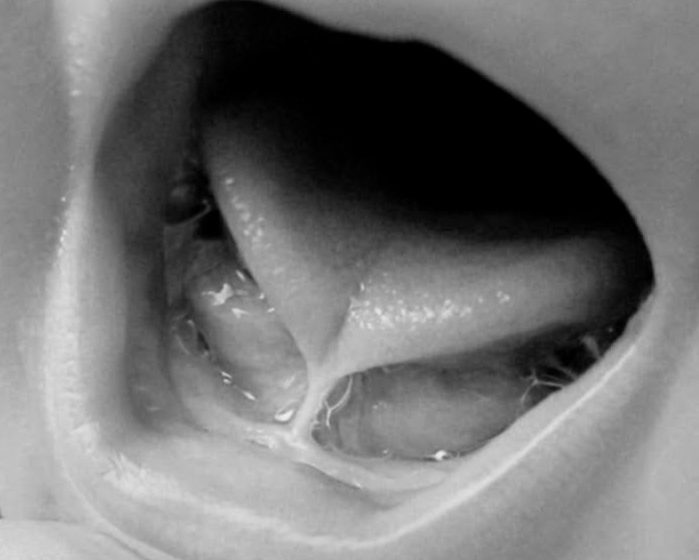
A tongue tie is a condition often identified during your baby's initial examination, NIPE examination or further on during their feeding journey by a health visitor or feeding specialist. It is a condition where the band of tissue under the tongue is shorter, thicker or tighter than usual. Sometimes, this can affect the way your baby can move their tongue, in turn causing issues with feeding.
A restrictive tongue tie can interfere with your baby's ability to latch effectively at the breast or feed from a bottle; which can lead to:
- Frequent and prolonged feeds
- Frustration during a feed
- Unable to settle following a feed
- Prolonged jaundice
- Poor weight gain or weight loss
- Increased wind
- Colic
- Clicking or smacking sounds during a feed
- Dribbling milk during a feed
Symptoms in breastfeeding parents can include:
- Sore, cracked or painful nipples
- Reduced milk supply
- Engorgement
- Mastitis
- Stopping breastfeeding before intended
Treatment for your baby's tongue tie depends on symptoms rather than appearance alone; not all baby's with a visibly prominent frenulum will require surgical intervention, sometimes symptoms can be resolved with expert feeding support.
Tongue Tie Division
(Frenulotomy)
I am comfortable with treating babies up to 8 months of age; if your baby is older than this please contact me and I can advise you on your possible options.
Following a thorough feeding assessment and an oral and tongue function assessment, a restrictive tongue tie may be diagnosed. If you choose to have treatment for your baby, this would be performed by a surgical release using blunt-ended, sterile scissors, followed by unrushed feeding support. I understand that this procedure may cause anxiety for you. Appointments are long to enable us to have an unhurried, informed discussion to ensure that you are happy with your decision and are aware of the potential (but very small!) risks occasionally associated with a surgical frenulum release.
*A full medical and family history assessment will be completed prior to the your appointment to ensure that there are no contraindications to a surgical release. If there is any possibility that your baby may have a blood clotting disorder or if your baby has not received Vitamin K, please make me aware. This is due to the possible increased risk of bleeding; this will enable me to give you adjusted risk based information so that you can make an informed decision.

Aftercare Advice
Following a tongue tie release
Unfortunately, tongue tie release is not always a 'quick' fix - many parents see an immediate improvement to the way their baby feeds, however it is more usual for symptoms to take a few days or even weeks to improve. It is essential that you continue to practice good positioning and attachment techniques - skills which I will teach you during your appointment. Below are some further recommendations:
Gentle post procedure exercises
Following a tongue tie release, your baby should be able to move their tongue much more freely! Performing tongue exercises will encourage your baby to move their tongue further, this can help them to:
- Learn normal tongue movement
- Strengthen their oral muscles to improve their feeding technique
- A great way for you to bond with your little one!
Performing these exercises can prevent scar tissue developing and reduce the need for a second surgical division. I recommend that you perform these exercises 2-3 times a day daily for the weeks following your appointment, or until you notice an improvement in your babies feeding technique. During your appointment I will provide you with a demonstration, an 'OBall' and aftercare information.
Osteopathic Treatment
Following a tongue tie release, osteopathic treatment can help by gently releasing tension in the jaw, neck, skull and surrounding tissues that may have developed as compensation before the procedure. This gentle treatment can support improved tongue mobility and coordination, calm the nervous system and reduce post procedure discomfort. Used alongside post-release exercises and ongoing infant feeding support, osteopathy helps the body integrate the new tongue movement more effectively and supports optimal healing and function.
My sessions are held at the Rosewood Practice in Ogden, North Halifax. The Rosewood Practice is also home to the 'Just Osteopathy' clinic. Just Osteopath's are fully qualified to treat babies throughout all developmental stages; the team are happy to discuss how they may be able to support your baby. Some parents choose to explore osteopathic treatment for their baby in the days following a tongue tie release, which may help support comfort, recovery, and feeding technique
IBCLC (International Board Certified Lactation Consultant) Support
For some families, ongoing lactation support is sometimes required, especially where there are concerns relating to slow weight gain and if a feeding plan needs to be put in place. I will always endeavour to thoroughly support you during your appointment and during any follow up which are needed, however in some situations I may recommend the input from an IBCLC.
You can find an IBCLC at https://lcgb.org